Jan Møller Christensen made Danish dressage history with the renowned Hesselhøj Donkey Boy, a celebrated Danish Warmblood stallion owned by Norway’s Kristin Andresen of Andresen Dressage, whose legacy extends far beyond the competition arena through his successful offspring. Yet after a lifetime in the saddle, Jan believes the true art of training lies not in winning medals, but in understanding the horse, finding solutions and knowing when to do things differently.
By Therese Alhaug
There is something special about people who have devoted their entire lives to horses. Their knowledge is not simply found in their hands, their seat or their eye for talent. It is built through experience, through the countless horses they have ridden, the challenges they have faced and the understanding that there is rarely one solution that suits every horse.
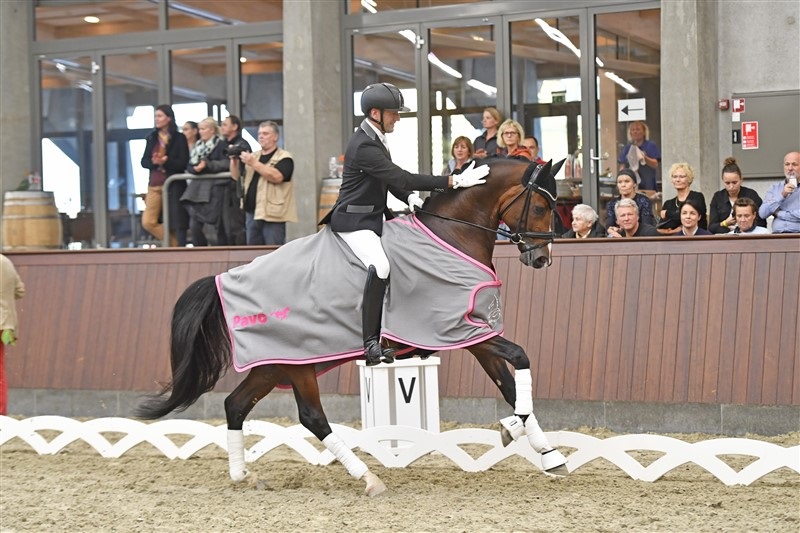
For Danish rider and trainer Jan Møller Christensen, this has become increasingly clear over the years. He is the man who rode Hesselhøj Donkey Boy to four consecutive Danish Young Horse Championship titles, as well as bronze and silver medals at the World Breeding Championships for Young Dressage Horses. But when he talks about what truly fascinates him about training horses, the conversation is not primarily about medals. It is about progress.
The young horse that suddenly discovers its balance. A problem that seemed impossible yesterday but finds its solution today. The moment when a horse finally understands what its rider is asking.
“That is what makes working with young horses so interesting. Developing them, solving problems along the way and feeling that they are getting stronger and more confident,” Jan explains.
He describes the satisfaction of finishing a training session on a young horse and realising that it may have been the best ride they have ever had together. Not necessarily because the horse has performed something spectacular, but because something has fallen into place. And perhaps this is where we begin to understand the philosophy behind what Jan and his wife Sofie have built together over several decades.
An Unexpected Path into the Horse World
Although Jan grew up surrounded by horses, a professional career in the sport was far from inevitable. His parents shared a passion for horses and bred a small number alongside their regular jobs. Jan rode as a child, but for several years football and other activities were far more interesting. It was only in his early teens that his interest returned.
He started spending time at a riding centre, enjoyed the atmosphere and gradually discovered that he had a natural ability in the saddle.
At just 16, he left home to begin his professional training with Bjarne Nielsen in Ikast, Denmark, a highly respected Danish dressage trainer and former national coach for both Denmark and Norway. He later continued his education with the renowned Hasse Hoffmann, a three-time Danish dressage champion, international Grand Prix rider in both dressage and showjumping, and one of Denmark’s most influential classical dressage trainers.
Looking back, Jan considers both places essential to his development, although for different reasons. With Nielsen, he found a supportive environment, a strong sense of community and opportunities to develop as a competitive rider. During this period, he won both Danish and Nordic junior championship titles. At Hoffmann’s yard, he gained experience with a wider variety of horses, something that would become invaluable later in his career.
Interestingly, dressage was not always his only ambition. Jan was also passionate about showjumping and competed in both disciplines. In fact, the opportunity to ride more jumping horses was one of the reasons he initially chose to continue his training with Hoffmann. Eventually, however, dressage became his profession, and the education of young horses his particular speciality.
“That is what makes working with young horses so interesting. Developing them, solving problems along the way and feeling that they are getting stronger and more confident.”
Two People, One Life with Horses
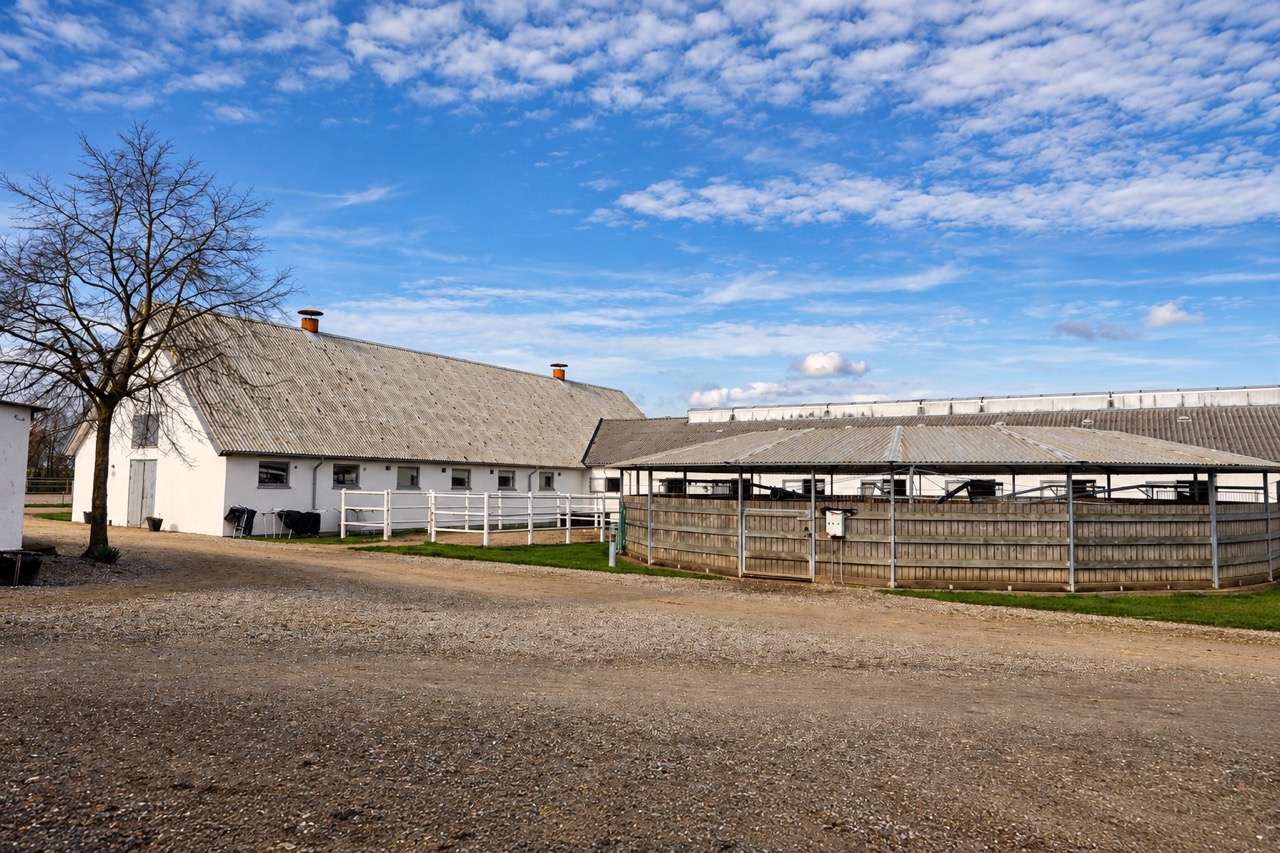
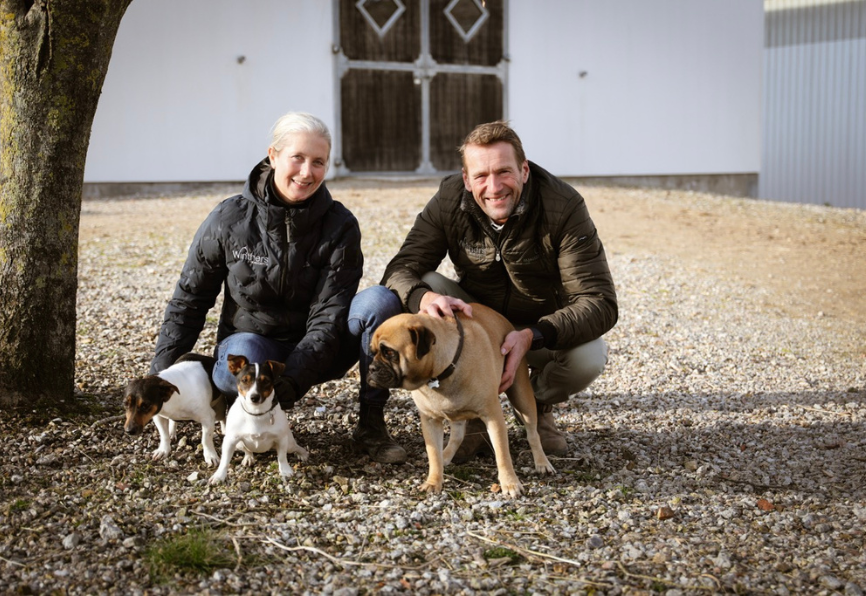
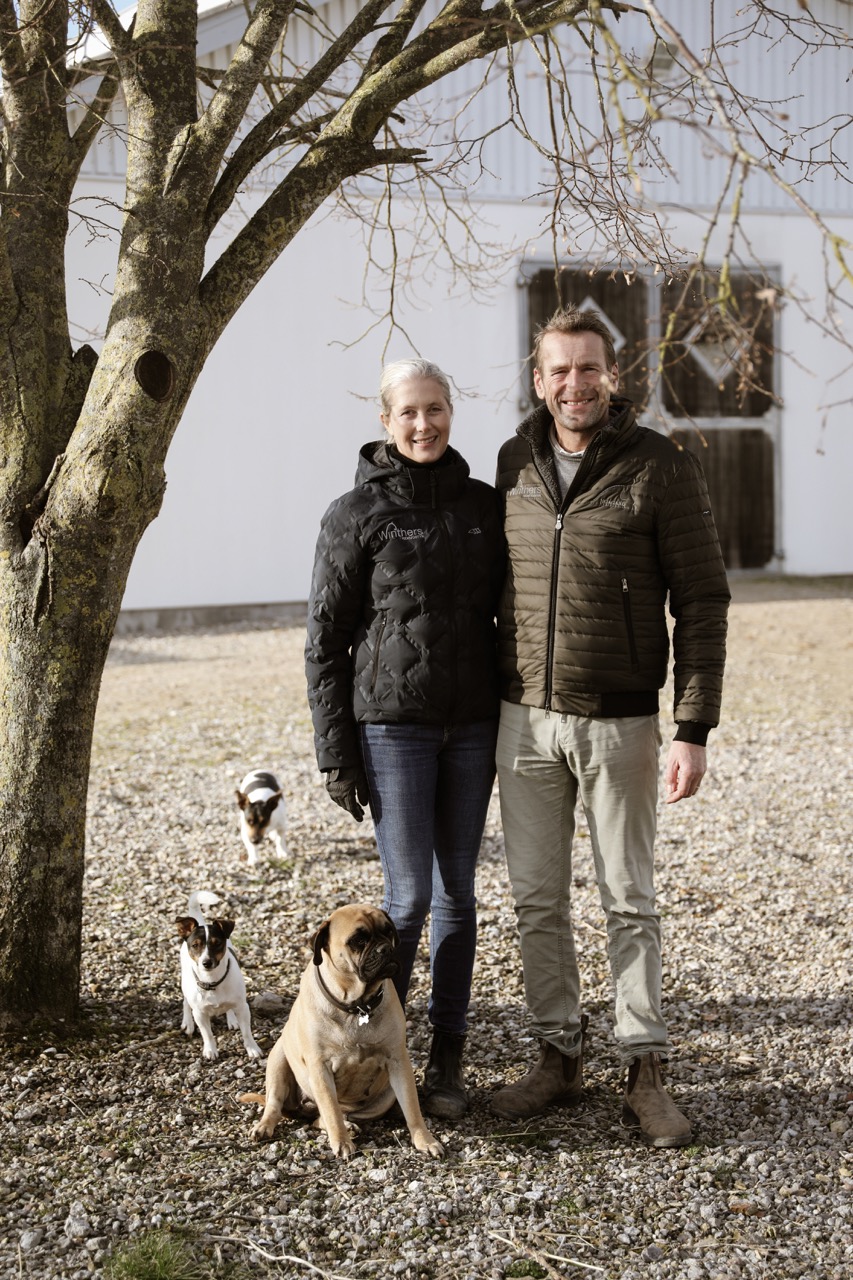
The story of Jan is also the story of Sophie. Originally from Sweden, she grew up in a horse-loving family and developed into a talented young dressage rider. Her career eventually took her to Denmark, where she and Jan met. Together, they spent a period working in Germany before returning to Denmark and finding what would become their home and professional base: Noagård. It was never intended to be a permanent destination. They initially worked for the owner of the property, but when the opportunity arose to purchase the yard in 2000, they decided to take it. More than two decades later, Noagård remains at the centre of their lives. Together, they have built a successful business specialising in backing, training and developing dressage horses. For Jan and Sophie, however, it has never been simply a business.
Horses are part of almost every aspect of daily life. Training sessions are discussed over breakfast, challenges are analysed after riding, and work and family life naturally overlap. They have also raised their family within this environment. Both acknowledge that combining marriage, family and an intensive professional life with horses requires understanding and compromise. Yet their partnership has become one of their greatest strengths.
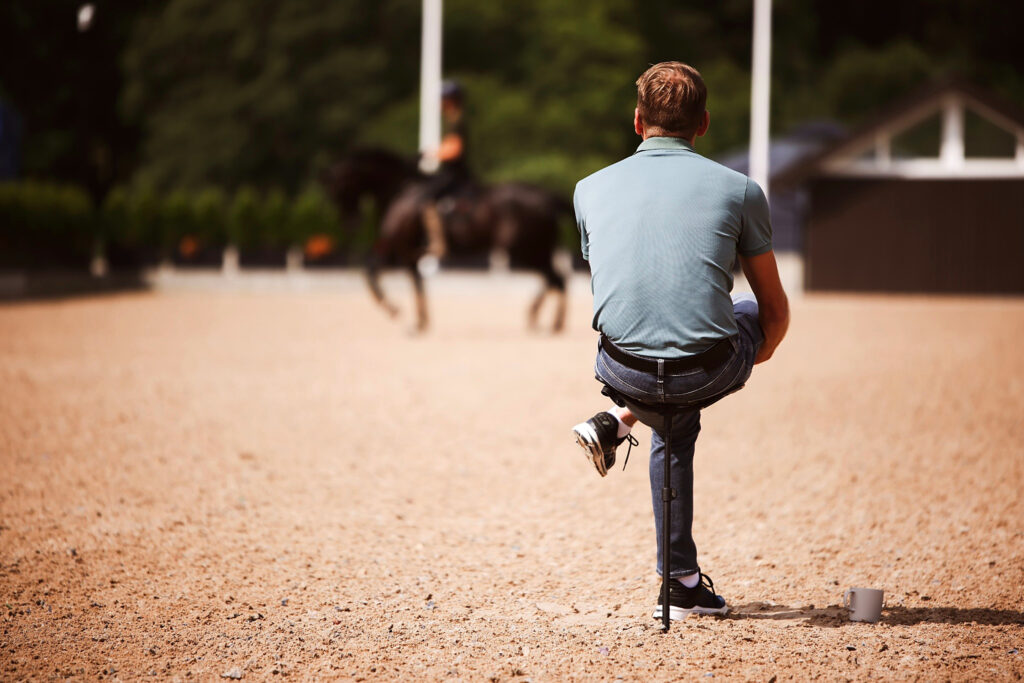
Jan describes himself as disciplined, analytical and someone who likes to have a clear plan before getting on a horse. Sophie, he says, has an exceptional understanding of the horse’s mind. She is often better at recognising when it is time to leave a problem alone and return to it another day.
“Sometimes I can get frustrated if a horse hasn’t gone well. Sophie is much better at saying that tomorrow is another day, and things will improve.”
He also readily acknowledges the importance of her contribution to his riding career. “Actually, Sophie is the person who has trained me the most throughout my career.”
He smiles at the thought that not every married couple would necessarily manage such an arrangement. Of course, they do not always agree. But over the years they have learned to complement each other, combining two different approaches to achieve the same goal.
While Jan relies heavily on analysis, experience and technical understanding, Sophie brings intuition, sensitivity and an exceptional eye for the details that can make all the difference.
The Horse That Made History
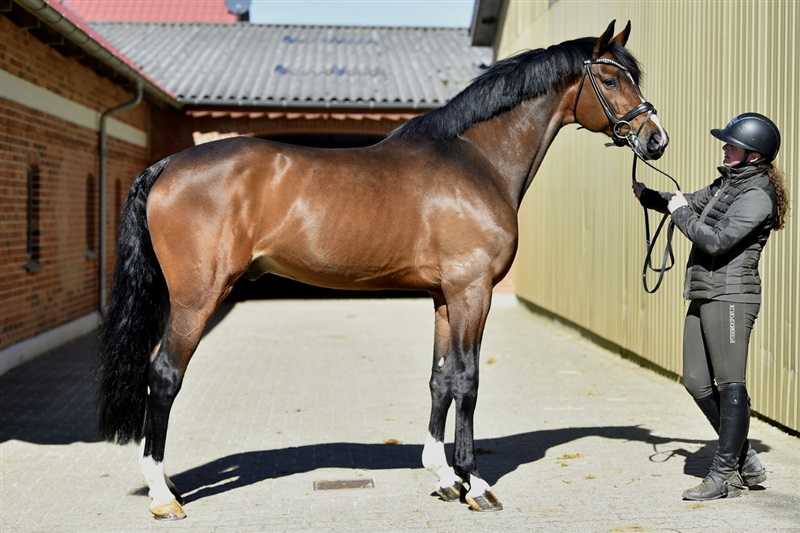
When Norwegian horse owner Kristin Andresen was considering purchasing a three-year-old stallion named Hesselhøj Donkey Boy, she asked Jan to take a look at him. He immediately recognised something special. The young stallion had an exceptional walk, a wonderful canter and striking beauty. Yet Jan admits that he was initially less certain about the trot. It was not necessarily the spectacular movement one might have expected from a future championship horse. What impressed him, however, was the horse’s willingness and ability to develop through correct training.
As Donkey Boy became stronger, his movement improved. It was a quality Jan would later recognise in many of the stallion’s offspring as well. What followed became one of the most remarkable partnerships in Danish young horse dressage.
Between 2016 and 2019, Jan and Donkey Boy won the Danish Young Horse Championships four consecutive times, from the age of four through seven. Internationally, their achievements included bronze at the World Breeding Championships in 2017, fifth place in 2018 and silver in 2019. Yet behind the extraordinary results was a pressure that Jan now speaks openly about. After winning the first championship, he felt increasingly responsible for repeating the success. Every year brought another challenge, another set of expectations. Not because anyone demanded it, but because of the expectations he placed on himself. When Donkey Boy won his fourth consecutive championship as a seven-year-old, Jan was unexpectedly emotional.
“It was an enormous relief. I felt that I had finally achieved what I had been working towards.”
For a rider who usually describes himself as analytical and disciplined, the moment revealed just how much the partnership had meant to him. Donkey Boy had become much more than a successful competition horse. He represented years of dedication, responsibility, ambition and the satisfaction of seeing an exceptional horse fulfil its potential.
Experience Also Means Learning to Change
One of the most interesting aspects of talking to Jan is his willingness to reflect critically on his own development as a rider and trainer. He does not pretend that he approaches horses in exactly the same way today as he did when he first entered the profession. Quite the opposite. When he began his apprenticeship as a teenager, the equestrian world was different. Knowledge about horse management, feeding, equipment, physical development and individual requirements has evolved considerably. He remembers a culture where the emphasis was often on teaching the horse to do what the rider expected. And as a young, ambitious professional, he admits that he could sometimes be too impatient.
“I have certainly pushed horses too much at times, or pushed them in the wrong way.”
It is a remarkably open reflection from someone with his experience. But Jan does not describe it as something unique to his own career. Rather, he sees it as part of the evolution of knowledge and attitudes within equestrian sport.
Today, he is far more conscious of the fact that horses develop at different rates. A six-year-old horse is not necessarily ready to compete in a six-year-old championship simply because of its age. Some horses need another year. Others may benefit from a different training programme or a less demanding competitive schedule. And sometimes, he believes, the right decision is to change the original ambition altogether. “You learn to become more patient and to have more understanding.”
It is a lesson that applies not only to young horses, but to the entire process of developing an equine athlete.
The Importance of Timing
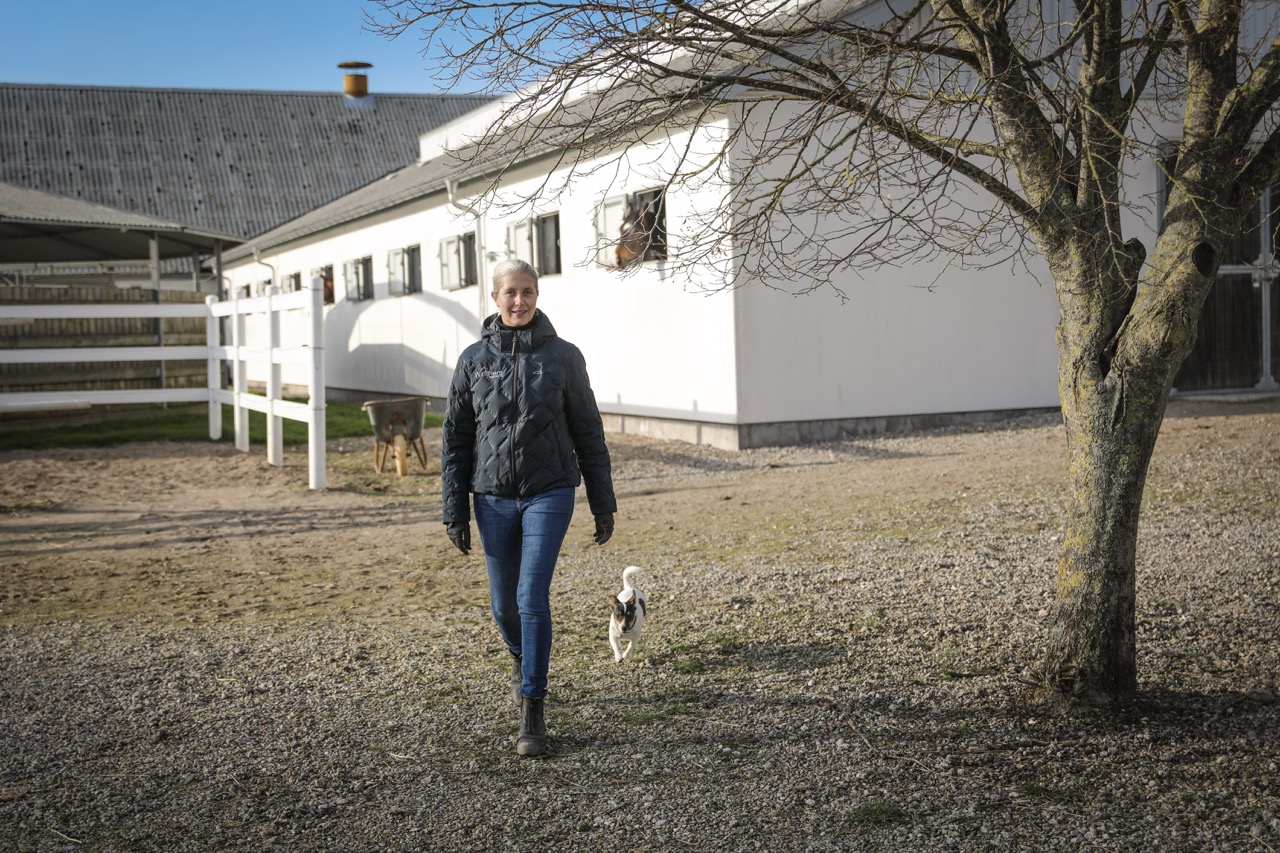
For Sophie, successful young horse training begins with relatively simple principles: confidence, balance, clarity and timing. A three-year-old should not be expected to know everything. At the beginning, the goal is simply to establish the foundations.
The horse should learn to move forward comfortably in walk, trot and canter, respond to basic aids and gradually develop enough balance to work on both reins. What matters most is not how much the horse can perform, but how well it understands what is being asked. And one of the most important skills for the rider is knowing exactly when to release the pressure.
“It is all about timing. When do you relax? When do you give? When do you reward the horse?”
Sophie explains that the moment a young horse responds correctly, the rider must be able to recognise it and provide immediate reassurance.
If the horse becomes uncertain or loses its balance, the solution is not necessarily to demand more. Often, it needs clearer guidance, a simpler exercise or just a little more time.
She also emphasises the importance of allowing young horses to develop at their own pace. Some are naturally strong, confident and well-balanced. Others are more sensitive, physically immature or slower to understand new exercises. Neither is necessarily more talented. They simply require different approaches.
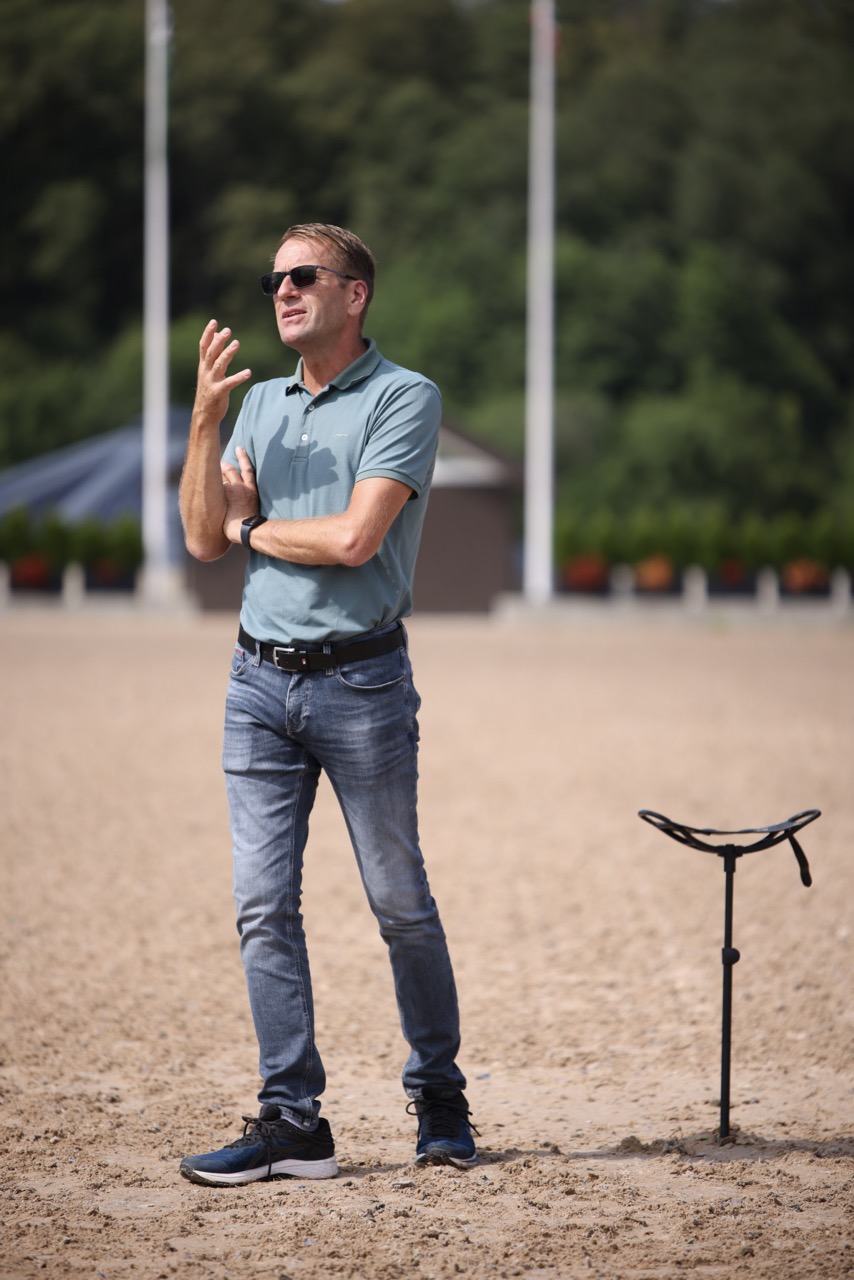
It is a philosophy shared by Jan, whose experience allows him to recognise patterns from the many horses he has trained throughout his career. When a problem appears, he often remembers a similar challenge from another horse years earlier. This gives him a valuable starting point. But he prefers not to rely on instinct alone. He likes to understand why something is happening, identify the cause and develop a clear plan for solving it.
“I usually have a fairly clear plan when I get on a horse. I like to analyse what is happening and work out how to improve it.”
It is a method built on technical knowledge, experience and careful observation. Yet the plan must always be adapted to the horse.
A Responsibility Towards the Horse
Like many experienced professionals, Jan follows the ongoing discussions surrounding horse welfare and the future of equestrian sport. He believes the industry has made significant progress and recognises the importance of continuing to challenge established practices. At the same time, he worries that parts of the debate have become increasingly polarised. In his view, understanding horse welfare requires more than judging a single photograph or a brief moment during a training session. It requires looking at the complete picture: the horse’s physical condition, its mental wellbeing, the demands placed upon it and the way it is managed throughout its life.
He also believes that riders and trainers must be prepared to ask themselves difficult questions. Is this horse genuinely suited to the task? Does it have the necessary physical and mental qualities? And when should a trainer reconsider the expectations placed upon an individual horse?
For Jan, good training is not about removing every challenge. Horses, like people, need to learn, develop strength and gradually become capable of more demanding tasks. The responsibility of the trainer is to ensure that the process is fair, understandable and appropriate for the individual horse. It requires knowledge, empathy and the ability to recognise when something needs to change.
Finding Joy in the Smallest Progress
After decades of running a busy training yard, Jan and Sophie are beginning to consider how they would like to spend the coming years. They may eventually choose to train fewer horses and devote more time to teaching, clinics and sharing their experience. Not because their passion has diminished, but because they increasingly appreciate the opportunity to pass their knowledge on to others.
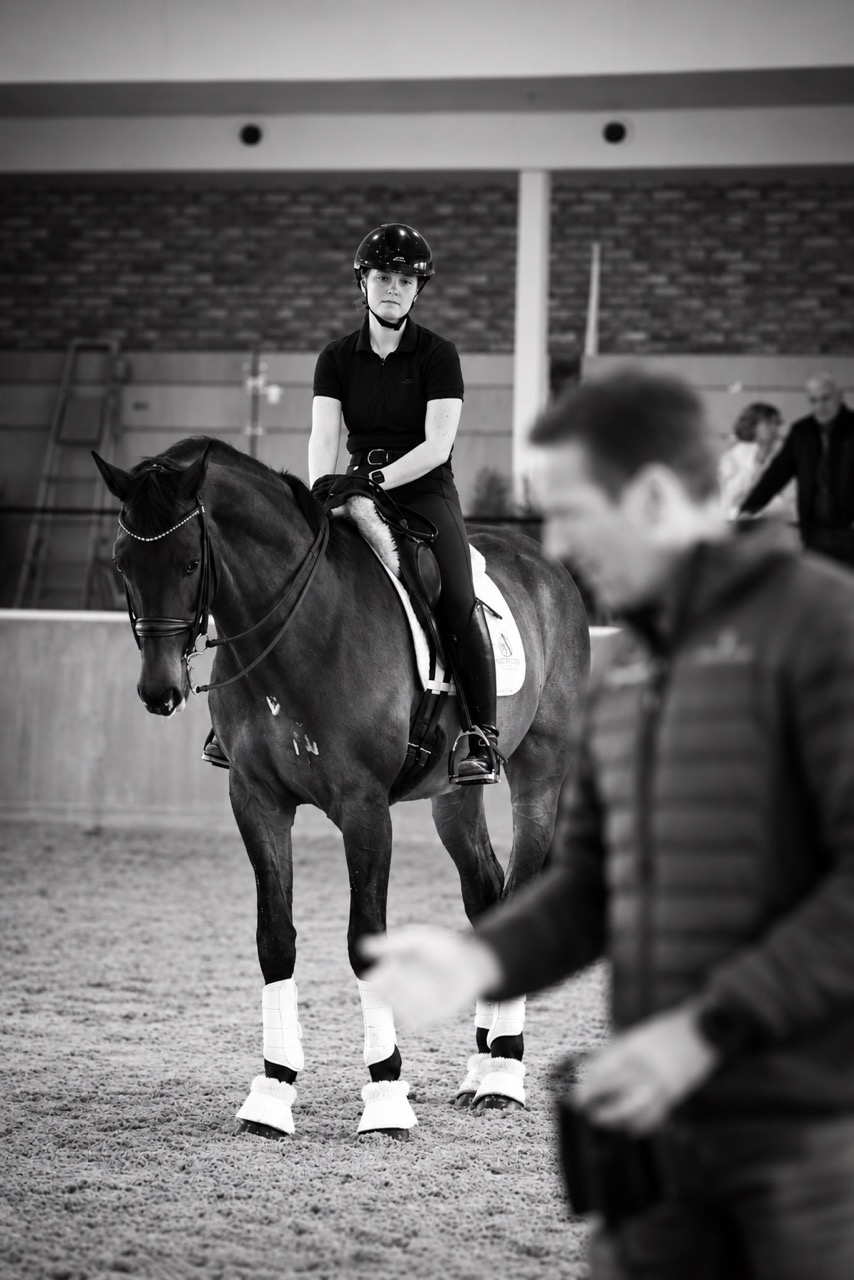
Jan describes the satisfaction of helping a rider overcome a long-standing difficulty. Seeing horse and rider finally understand one another can be just as rewarding as achieving a result himself.
For Sophie, the same sense of satisfaction can come from watching a young horse find its balance in canter after several patient training sessions. To an outsider, it may appear to be a relatively small achievement. For an experienced horseperson, it can be the most rewarding moment of the day.
Jan has experienced the excitement of championship victories and standing on the podium at the World Breeding Championships. Yet when he speaks about what continues to motivate him, he returns to something much simpler.
The feeling of helping a horse understand. The satisfaction of solving a problem. And the extraordinary moment when an animal begins to work with its rider, rather than simply respond to instructions.
Perhaps that is what a lifetime with horses ultimately teaches. Success is not only measured by what a horse achieves. Sometimes, the greatest achievement lies in how it gets there.